What's a Wallet Series - Software Wallets
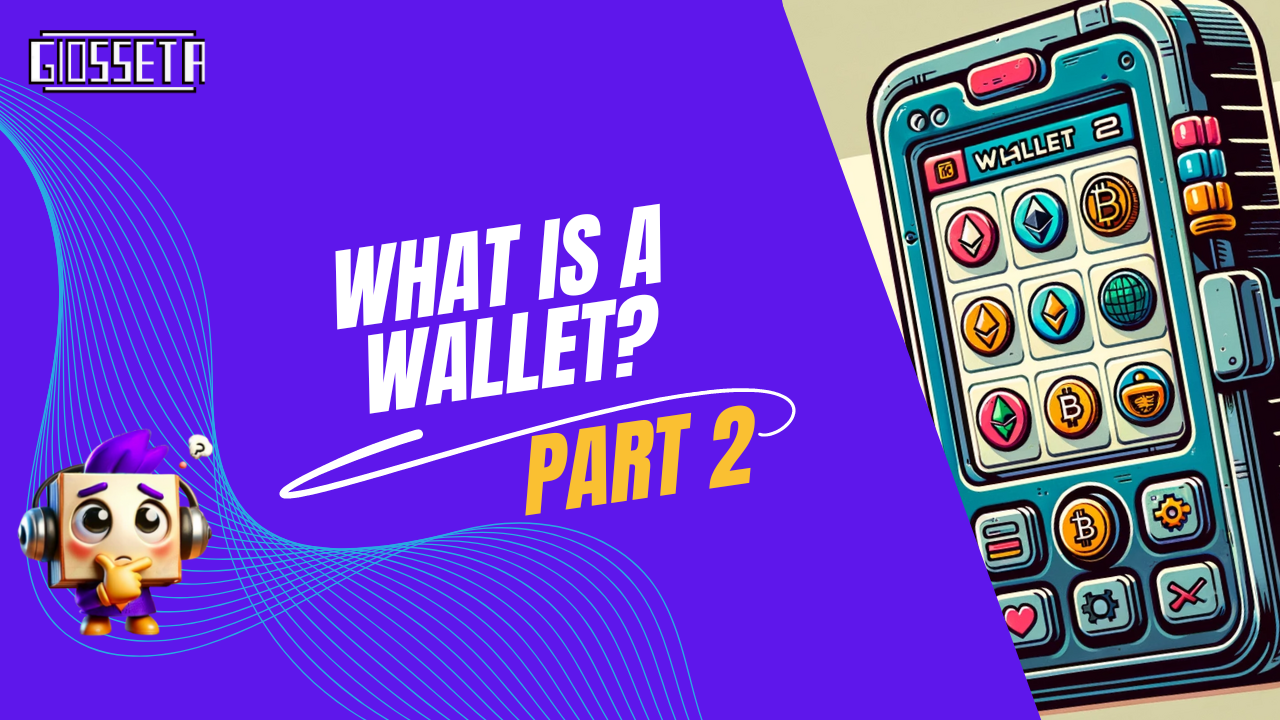
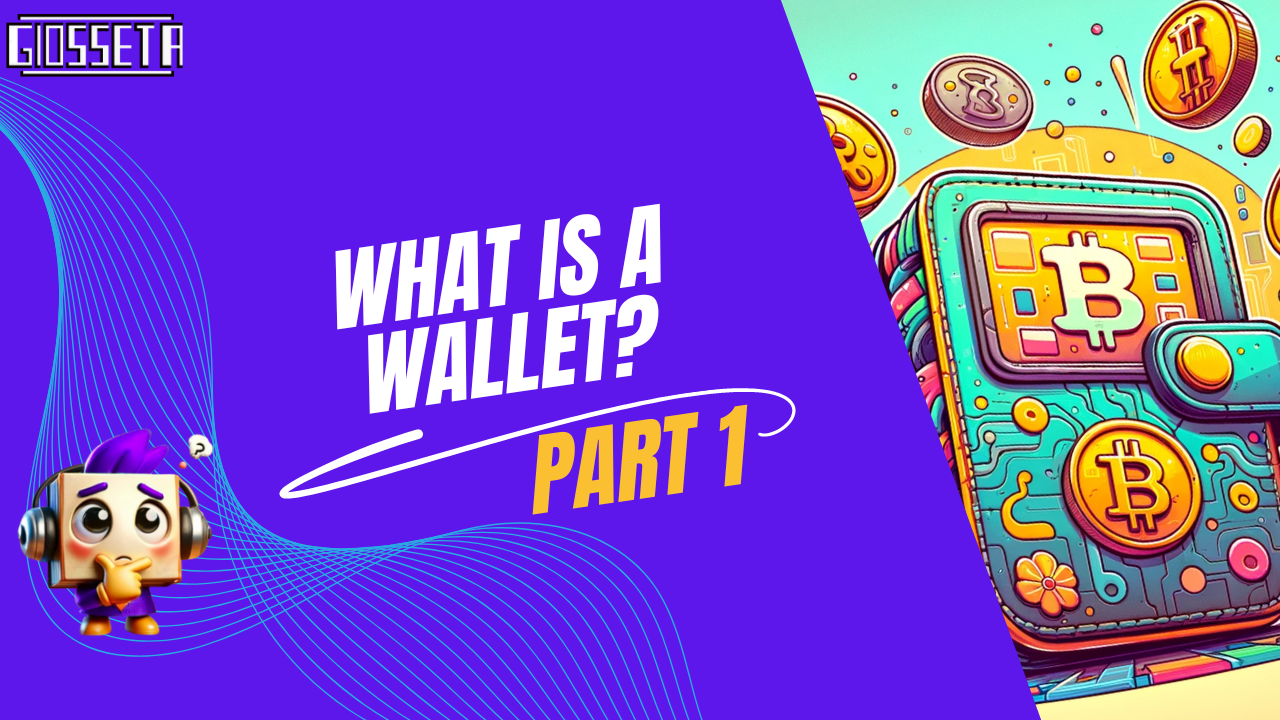
Imagine you're at a bustling marketplace, ready to shop. In your pocket, you have a wallet with cash – easily accessible, quick to use, but also something you need to keep an eye on so it doesn't get stolen. That blend of convenience and immediate access to your funds is also available in the world of cryptocurrency via a hot (or software) wallet. This article will demystify hot wallets, explaining their technology, functionality, significance, and why they matter to you.
What is a Hot Wallet?
In simple terms, a hot wallet is a type of cryptocurrency wallet that is connected to the internet. It’s like your physical wallet that you carry around for day-to-day transactions. Just as you wouldn't carry your life savings in your back pocket, hot wallets are generally used for smaller, regular transactions rather than for storing large amounts of cryptocurrencies.
How Does a Hot Wallet Work?
A hot wallet operates through software that manages the passwords needed to authorize cryptocurrency transactions called private keys. Think of these passwords as the ultra-secure PIN for your digital funds. When you want to make a transaction, the hot wallet software uses the private key to enable the transfer of cryptocurrencies. It’s akin to signing a check or entering your PIN at a store’s checkout.
What Does a Hot Wallet Enable?
The primary advantage of a hot wallet is its convenience and ease of use. Just as it’s easier to pay with cash or a card from your physical wallet at a store, a hot wallet allows for quick and effortless digital transactions. It’s ideal for regular use, such as buying goods with cryptocurrencies or making frequent trades.
Why Should You Care About Hot Wallets?
In the ever-growing digital world, understanding and using hot wallets will become as fundamental as using a traditional bank account. They empower you with direct control over your digital assets, providing a convenient way to participate in the world of cryptocurrencies. Whether you're purchasing digital goods, investing in cryptocurrencies, or exploring the vast landscape of decentralized applications, a hot wallet is your entry point.
Wrapping it Up
Hot wallets are the bridge between the traditional understanding of money and the emerging digital currency landscape. They provide a familiar, easy-to-use interface for managing and using your digital assets. As the digital economy continues to expand, understanding and utilizing hot wallets will become increasingly important for anyone looking to navigate this new financial frontier.
Further Reading
For a more in-depth understanding, consider exploring the following resources:
See a term you didn't understand? Use the Glosseta Web3 Glossary to help you on your learning journey to demystify the concepts and terms you encounter
Have ChatGPT Premium? Try the Glosseta Web3 AI assistant to help you with any inquiries
Comments
Join the discussionNo comments yet. Be the first to comment.